
The Health, Head & Heart Framework Explained
Make it stand out
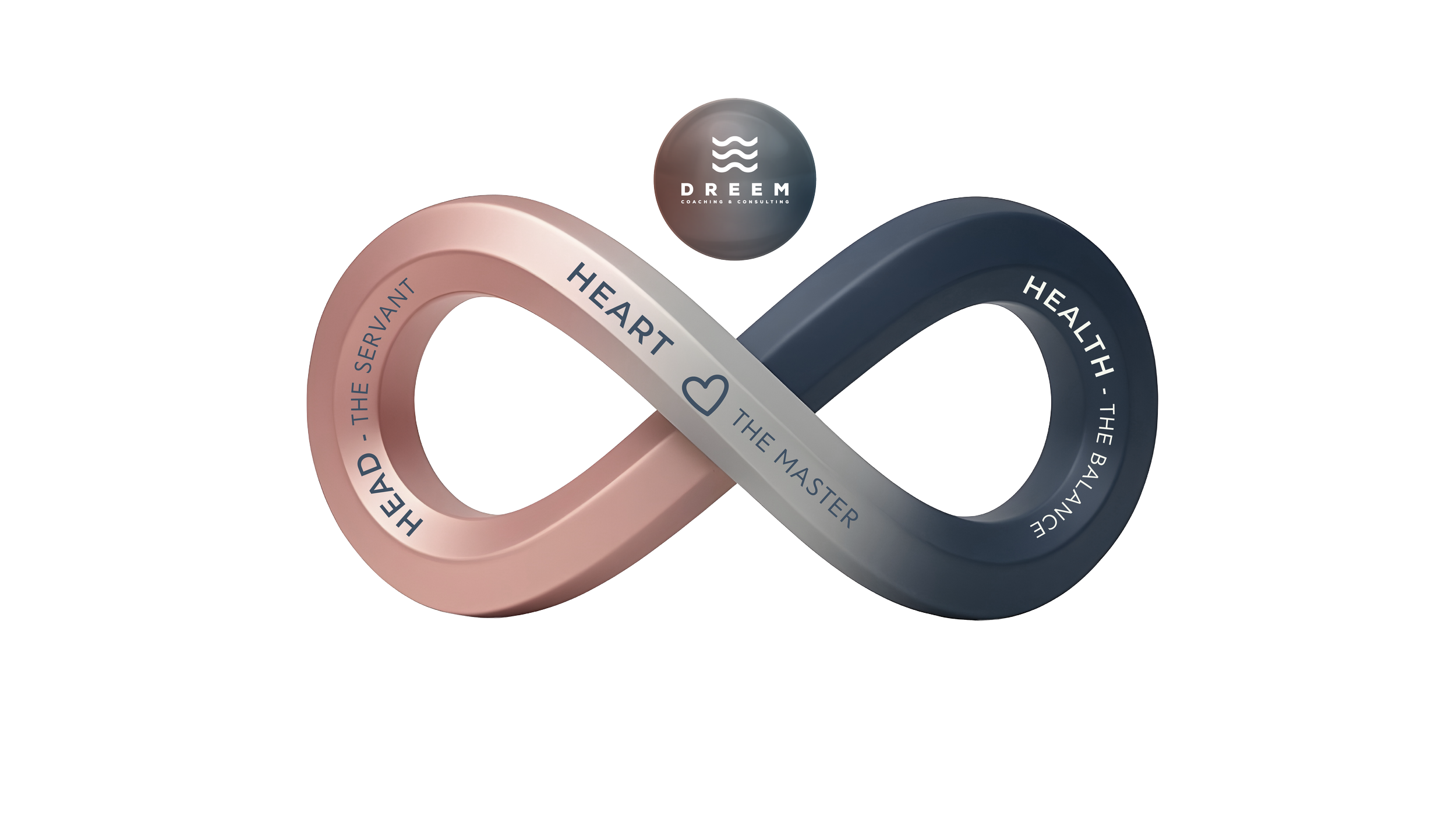
The Health, Head & Heart Framework is a practical framework for sustainable leadership and self-leadership. It begins with a simple truth: leaders are human beings before they are roles, titles or performance engines.
If leadership ignores the human system doing the work, it becomes incomplete. Strategy without wellbeing becomes exhausting. Intelligence without humility becomes ego. Empathy without clarity becomes avoidance. Performance without heart becomes unsustainable.
Why Health, Head and Heart?
Leadership is often taught through skills: communication, delegation, decision-making, strategy or performance management. Those skills matter. But they do not work well when the person applying them is depleted, reactive, fearful or disconnected.
The Health, Head & Heart Framework helps leaders examine three elementsthat shape how they think, lead and show up every day. Every leadership decision is influenced by our Health, Head and Heart, whether we realise it or not. The framework helps us become more aware of those influences, so we can lead with greater clarity, intention and impact.
Health: energy, resilience and grounded presence
Health is the foundation. It includes physical energy, mental steadiness, emotional resilience, recovery and the ability to stay calm when pressure rises.
Without Health, leaders may still function, but they often do so from survival. They push through, react faster, listen less and make decisions from fatigue. Health creates the capacity to lead well. It’s what allows a leader to remain present enough to choose well. Without Health, even the best leadership skills become harder to access when the pressure builds.
Head: clarity, strategy and perspective
Head represents logic, strategic thinking, analysis, learning and perspective. Head isn’t about having all the answers. It’s the ability to cut through complexity, asking better questions,thinking clearly and connecting decisions to the bigger picture.
But Head must not be ruled by ego. When ego takes over, the desire to be right can become stronger than the desire to find the right answer. The Head works best when it is curious, humble and in service of the mission.
Heart: emotional intelligence, trust and courage
Heart represents empathy, connection, trust, emotional fluency and the courage to lead with humanity. It allows leaders to understand what may be happening beneath behaviour and to create conditions where people can speak their truth.
Heart-centred leadership is not soft. It is strong enough to have honest conversations without losing care. It builds trust because people feel seen, not managed.
How the three work together
The three elementsare not separate. They influence each other constantly.
· When Health is strong, the Head thinks more clearly.
· When the Head is clear, the Heart can respond instead of react.
· When the Heart is open, people trust the strategy and contribute more honestly.
· When one is out of balance, the others are affected. Great leadership happens when all three work together.
A practical check-in
Use this quick reflection at the start or end of the week:
1. Health: What is my energy telling me?
2. Head: What needs clearer thinking or better perspective?
3. Heart: Where do I need to listen, connect or speak with courage?
4. Alignment: What one action would create better alignment this week?
The leadership outcome
When Health, Head and Heart are aligned, leaders become steadier, clearer and more human. They are better able to hold complexity, build trust, make decisions and create cultures where people can perform sustainably without losing themselves or those around them.
This is the leadership shift behind Unfollow the Leader: from control to consciousness, from performance pressure to sustainable impact, from followers to self-leadership.